Navigation & Safety

The Great Lakes are beautiful but unforgiving. Lake Erie is notoriously dangerous due to its shallow average depth, which allows waves to build to a steep, breaking peak much faster than in the deeper Lakes. Lake Ontario, while deeper, presents hazards with heavy commercial shipping traffic and sudden fog banks.
Critical Alert: Weather Vigilance
Always check Marine Weather Forecasts before departure. A calm lake in the morning can turn into a 2-metre swell in less than 30 minutes. If the wind is from the SW or W, Lake Erie can become exceptionally treacherous for small craft.
Electronic Navigation
While modern GPS and chartplotters are standard, always carry up-to-date paper charts and a reliable compass. Atmospheric interference or electrical failure are rare but potentially life-threatening if they occur mid-lake.
Strategic Safety Kit
- VHF Marine Radio (mandatory for help where cell signal fails).
- Sound-signalling device (air horn or whistle).
- Proper flares and watertight flashlight.
- Heaving line (15m minimum).
- Manual bilge pump or bailer.
- Anchor with sufficient rode (5-7x depth).
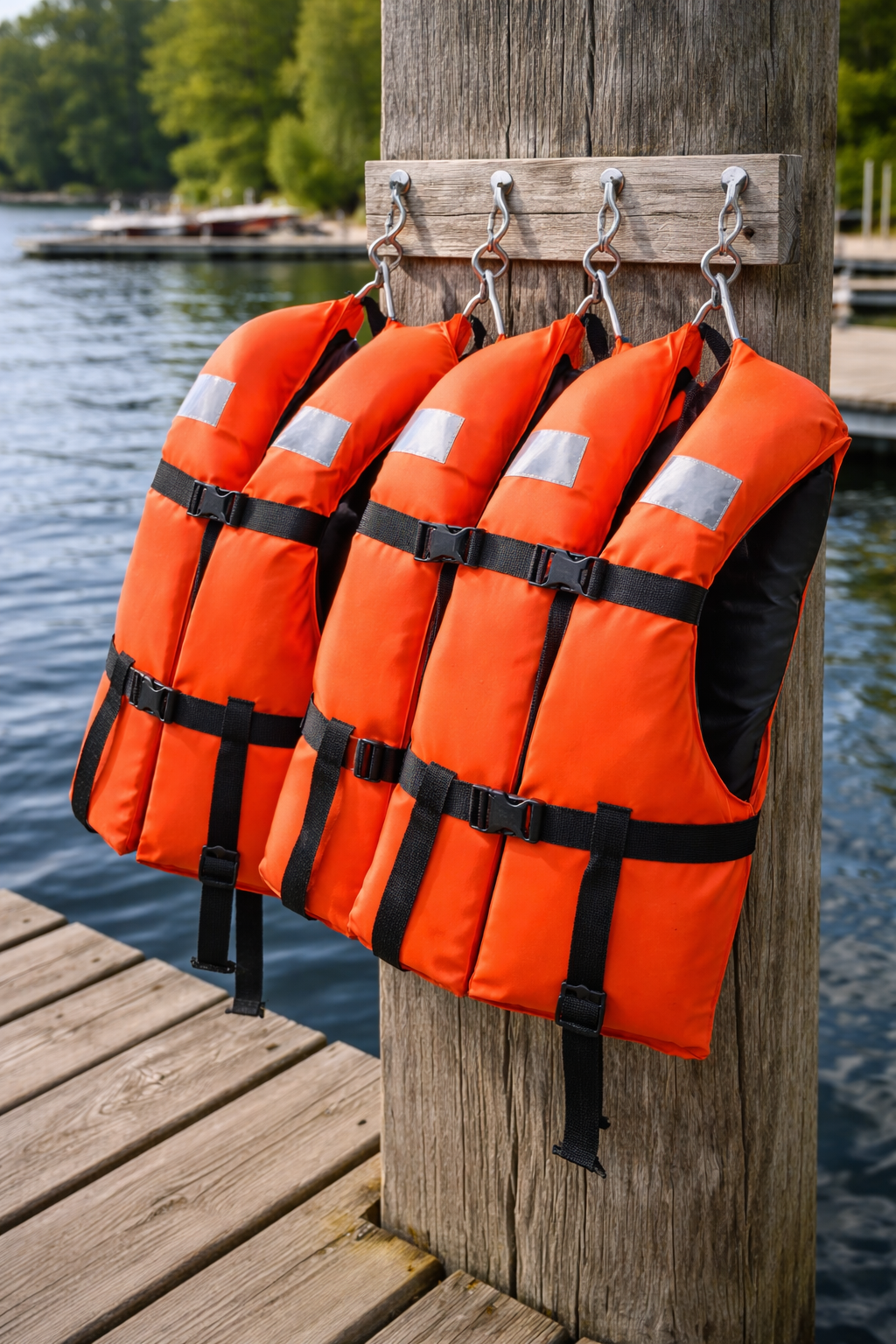
The Safe Water Test
Before proceeding beyond the breakwall, perform a "Safe Water Test": Check your engine temperature, verify your bilge is dry, and observe the horizon for building clouds. If any doubt exists, hold position. The lake will still be there tomorrow.